


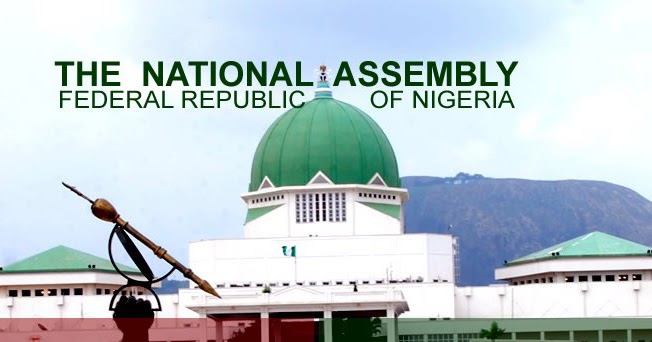
A recent event has raised serious concerns. Representatives of Tantita Security Services Nigeria Limited and Maton Engineering Limited sent a spokesperson to national television. The individual, introduced as a youth chairman, did not speak for the Ijaw people or the wider Niger Delta community. Instead, he spoke aggressively, using harsh language and behaving more like a taut than a representative addressing national issues.
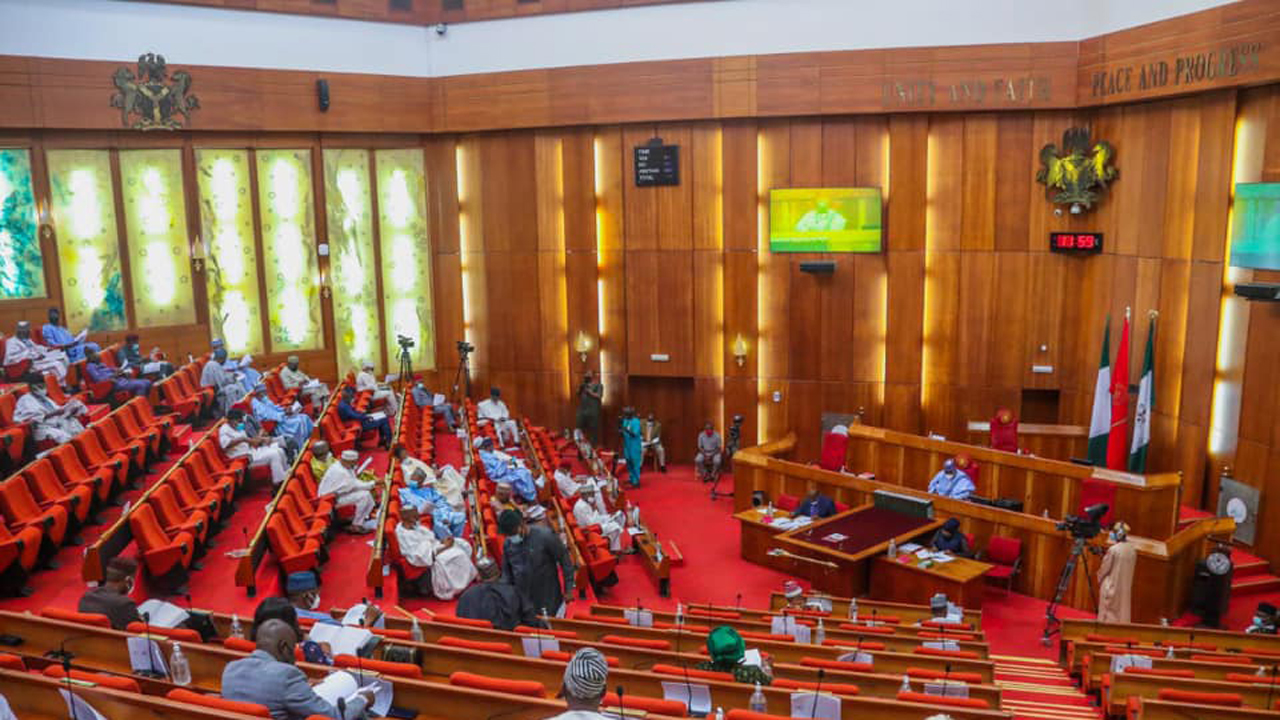
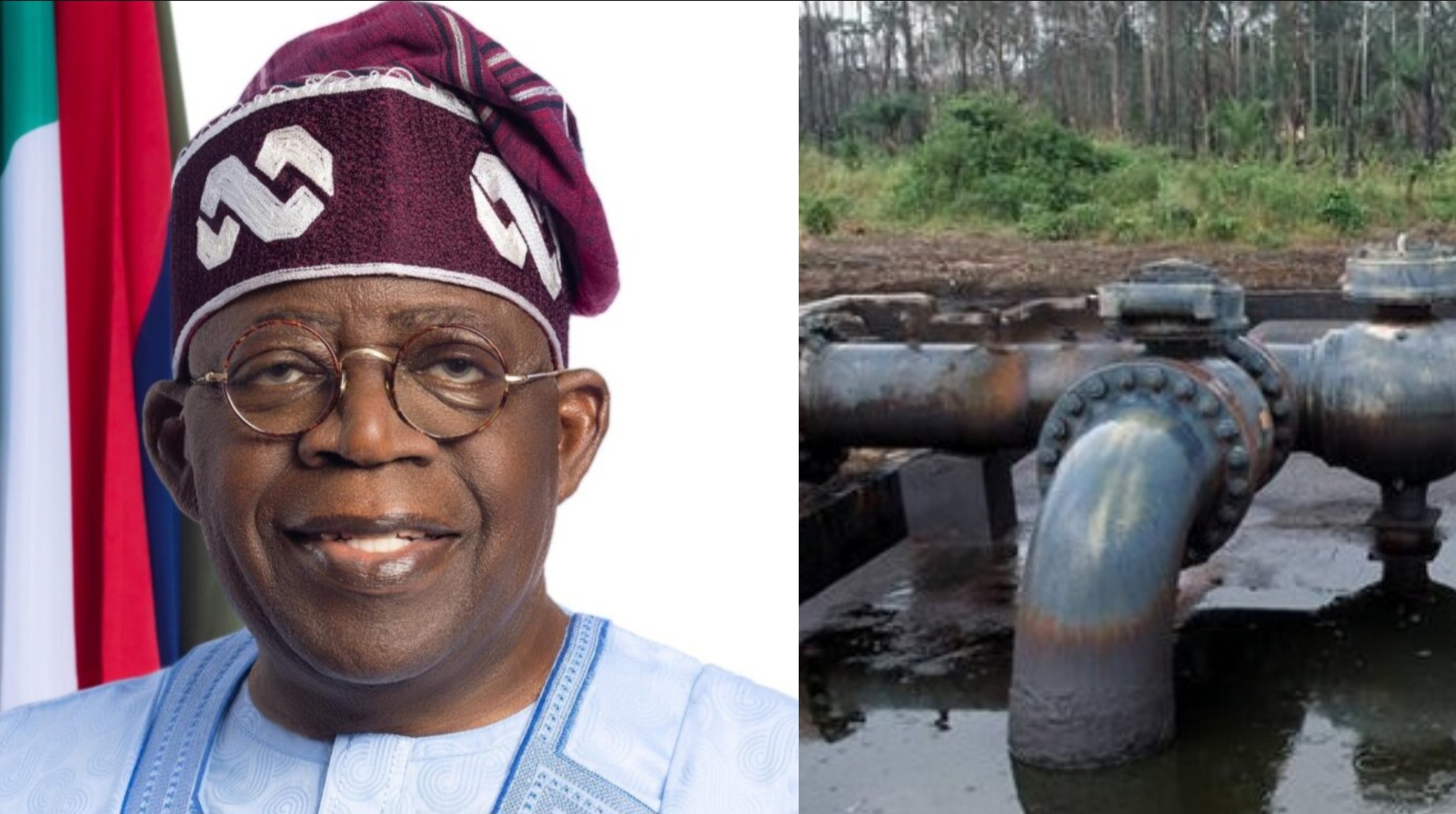
Rather than responding to the questions directed at him, he issued threats to the National Assembly of Nigeria and warned the Bola Ahmed Tinubu administration against allowing a planned investigation into pipeline security contractors. He claimed that if the probe goes ahead, there will be consequences. Such conduct raises serious questions about the credibility and transparency of the companies involved. It suggests a troubling resistance to accountability.
The President should support the National Assembly’s investigation into pipeline surveillance contracts. There is also a strong case for restructuring and splitting these contracts to include other capable stakeholders who have been sidelined. Doing so would strengthen accountability, create more jobs across oil-producing states, and potentially increase Nigeria’s crude oil production — an area where the current arrangement has fallen short. If the current contractors are uncomfortable with this approach, their share could be reassigned to other qualified Niger Delta stakeholders who have been excluded.
The spokesperson who appeared on national television spoke as if he was detached from Nigeria’s national interest. He also made questionable claims about oil production levels. Historically, Nigeria produced between 2.1 and 2.4 million barrels per day during the administrations of Olusegun Obasanjo and Goodluck Jonathan. With no widespread militant crisis today, producing only 1.4 to 1.5 million barrels per day represents a major national loss. Such low levels were typically associated with periods of severe unrest in the Niger Delta.
There is nothing wrong with the probe proposed by the National Assembly. Attempting to stop it through televised intimidation only deepens suspicion and fuels the perception that there may be issues that some parties do not want examined.
If the Federal Government decentralizes the pipeline security contracts and involves stakeholders from across oil-producing states, it would align with the President’s broader goals for stability and economic growth.
The current contractors are disconnected from the local grassroots players, including former illegal bunkering operators, and they also lack good relationships with major stakeholders in the Niger Delta struggle. Instead of building those critical partnerships, they have chosen to align themselves with politicians and turn the arrangement into a family business, to the detriment of national security.
Since the previous administration, oil production has struggled to significantly improve. Some observers attribute this to entrenched interests within the oil sector. Names frequently mentioned in these discussions include former Mele Kyari, Government Ekpemupolo (also known as Tompolo), and Matthew Tonlagha. Critics argue that the current structure of pipeline security contracts may be contributing to stagnation in production levels.
If the President wants Nigeria’s production to exceed 2 million barrels per day, a review of the current arrangements is necessary. Removing or restructuring contracts held by companies such as Tantita Security Services Nigeria Limited and Maton Engineering Limited could open the door for broader participation and renewed oversight.
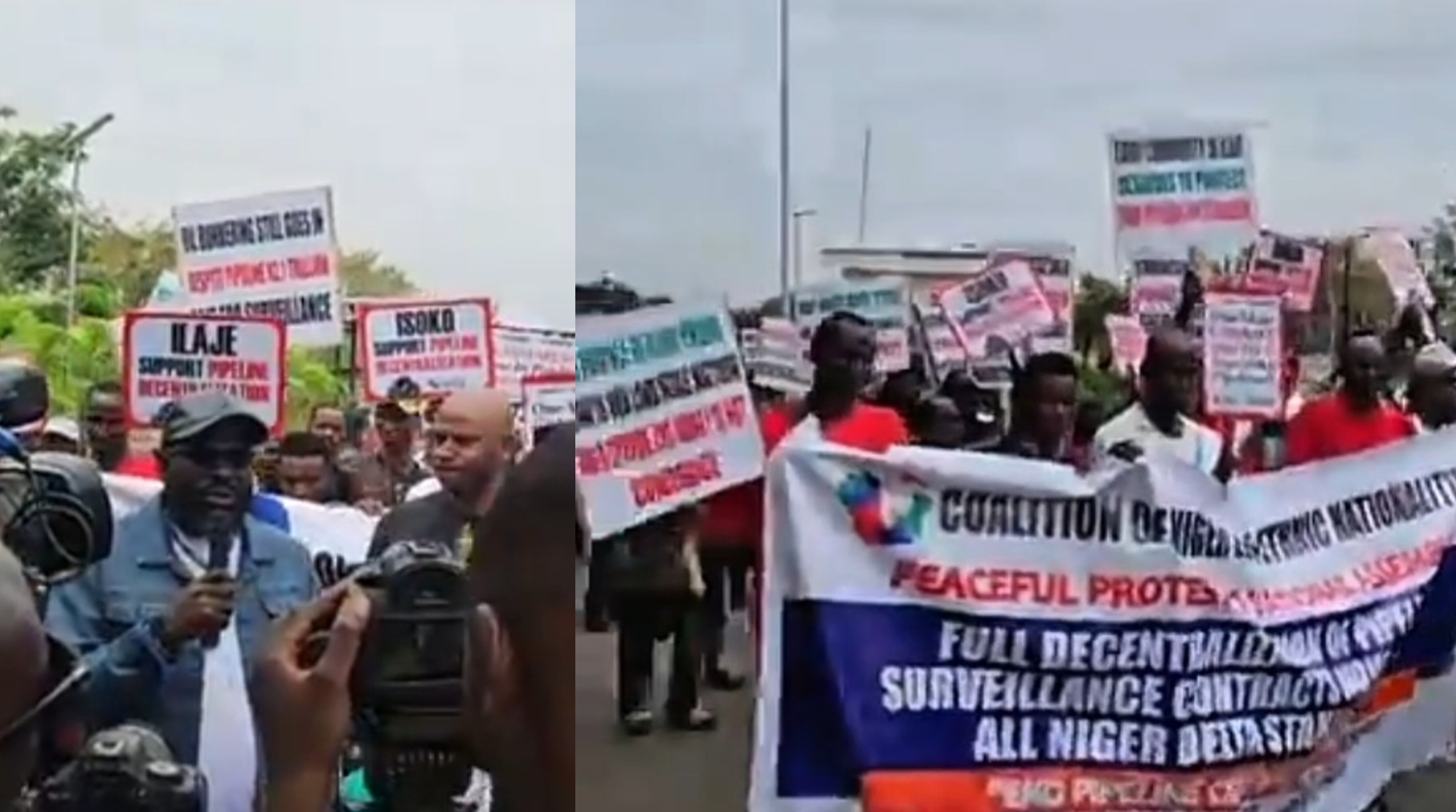
Many Niger Delta stakeholders support the idea of decentralizing pipeline security contracts. Greater inclusion would not only promote fairness but also strengthen national security and help Nigeria maximize its oil production potential.


0 Comment(s)